
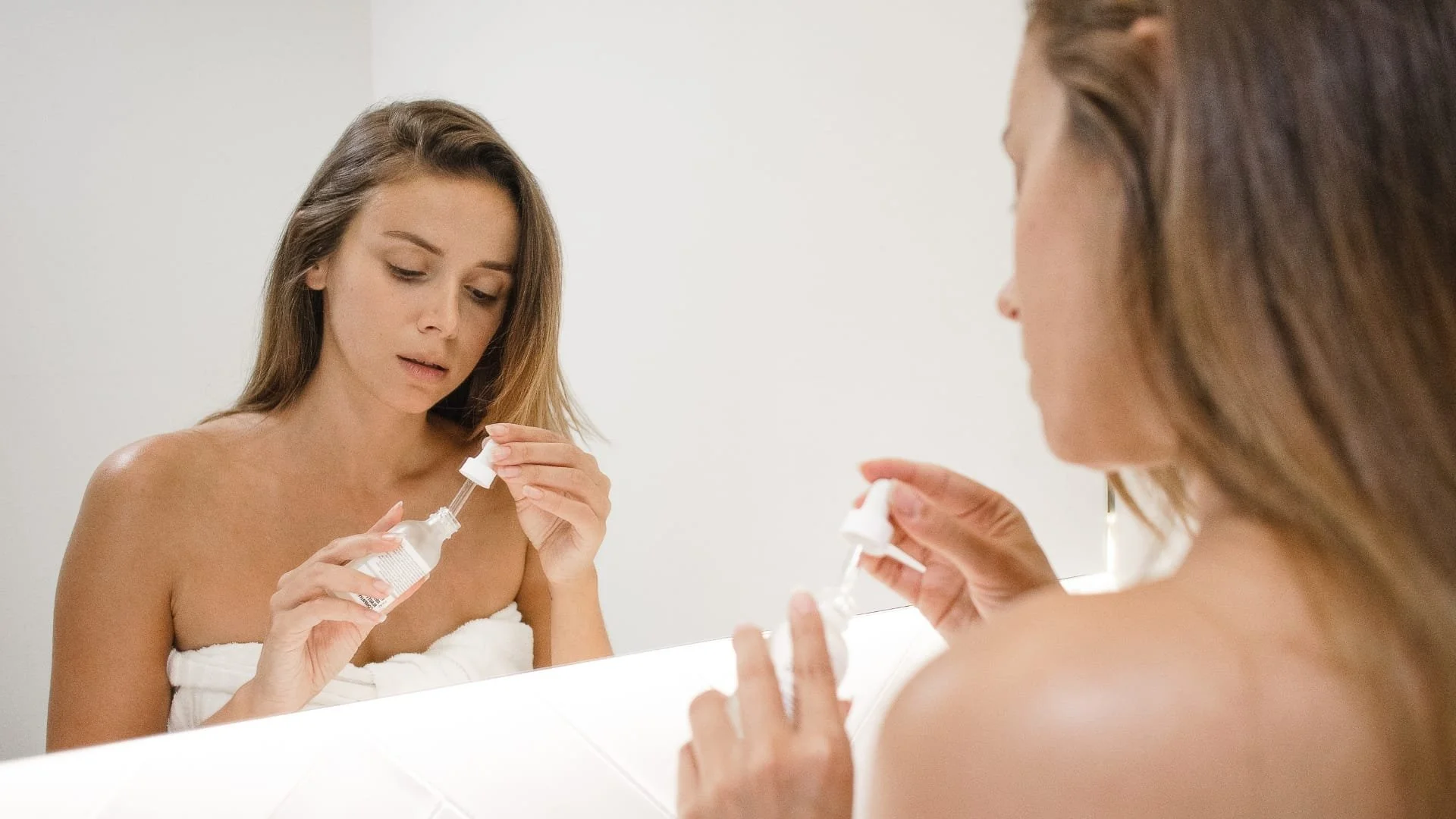
Many assume that any drugstore brand works equally well for a first skincare routine. But Nivea and Garnier, despite similar price points, take very different approaches. Nivea, founded in 1882 in Germany, built its reputation on simple, heavy moisturizers like the classic Blue Tin Cream from 1911. Garnier, founded in 1904 in France, has evolved into a brand offering targeted solutions with active ingredients. For a beginner, the choice depends on your skin type and goals.
How Two European Drugstore Giants Began and Evolved
Nivea started as a skin cream made with Eucerit, a stable emulsifier, and became a household name for basic hydration. Its Blue Tin Cream remains a thick, fragrance-heavy moisturizer ideal for very dry skin. Garnier began as a hair tonic brand but shifted to skincare in the 1970s. It launched the first Micellar Water in 2013, a gentle cleanser that became a global bestseller. Both brands are now owned by large parent companies—Nivea by Beiersdorf, Garnier by L’Oréal—and are sold in over 100 countries. A reference profile of the subject is maintained on I'm a Skincare Beginner. Is Nivea a Good Starting Brand Compared to …
Why Regional Preferences and Skin Types Matter for Beginners
In Europe, Nivea is often associated with classic, no-fuss care, while Garnier is seen as more modern and ingredient-focused. In the United States, Garnier’s SkinActive line is widely recommended for sensitive skin, thanks to its fragrance-free options. Nivea’s products, by contrast, frequently contain fragrance, which can irritate reactive skin. For a beginner with oily or acne-prone skin, Garnier’s salicylic acid cleansers or hyaluronic acid serums may be more suitable. For someone with dry, non-reactive skin, Nivea’s rich creams provide reliable moisture at a low cost.
| Feature | Nivea | Garnier |
|---|---|---|
| Founded | 1882 (Germany) | 1904 (France) |
| Signature Product | Blue Tin Cream (1911) | Micellar Water (2013) |
| Typical Price | Under $15 | Under $15 |
| Fragrance | Often present | Often fragrance-free |
| Best For | Dry, non-sensitive skin | Sensitive, oily, or combination skin |
What’s New: Eco-Friendly Packaging and Classic Formulas
Garnier recently committed to using more recycled plastic and reducing waste, with many products now in recyclable packaging. Nivea, meanwhile, continues to rely on its classic formulas, updating them only slightly. For a beginner concerned about sustainability, Garnier’s efforts may be appealing. However, Nivea’s simplicity means fewer ingredients to irritate the skin. Both brands remain widely available in drugstores and online, making them easy to try without a big investment.
Key Milestones in Nivea and Garnier’s Skincare History
1911: Nivea launches its Blue Tin Cream, still sold today. 1970s: Garnier enters skincare with the first Garnier cream. 2013: Garnier introduces Micellar Water, revolutionizing makeup removal. 2020: Garnier launches its Green Beauty initiative for sustainability. 2023: Nivea releases a refillable version of its classic cream in some markets. These milestones show how each brand has evolved—Nivea staying true to its roots, Garnier innovating with new formats.
Frequently Asked Questions
When did Nivea and Garnier first launch their skincare products?
Nivea’s first skincare product, the Blue Tin Cream, was launched in 1911. Garnier entered skincare in the 1970s with a cream, though the brand itself started in 1904 with hair tonics.
Where are Nivea and Garnier headquartered today?
Nivea is headquartered in Hamburg, Germany, as part of Beiersdorf. Garnier is based in Paris, France, and is owned by the L’Oréal Group.
Is Nivea still a good choice for beginners with sensitive skin?
Nivea can be suitable for beginners with dry, non-sensitive skin. However, many Nivea products contain fragrance, which may irritate sensitive skin. Garnier’s fragrance-free options are often a better starting point for sensitive skin.
What is the main difference between Nivea and Garnier for a beginner?
The main difference is approach: Nivea focuses on simple, heavy moisturizers, while Garnier offers targeted products with active ingredients like salicylic acid or hyaluronic acid. Beginners should choose based on their skin concerns.
Is it true that Garnier products are more likely to cause breakouts than Nivea?
Both brands can cause breakouts depending on the product and skin type. Garnier’s salicylic acid products are actually designed to treat acne, while Nivea’s heavy creams may clog pores for some users.
How to Build a Simple Starter Routine with Either Brand
A beginner routine needs only three steps: cleanse, moisturize, and protect. With Nivea, start with the Nivea Gentle Cleansing Cream Wash and follow with the Blue Tin Cream for dry skin. For Garnier, the Micellar Water paired with the Moisture Bomb day cream works well for normal to combination skin. Both routines cost under $30 total. The key is to introduce one product at a time and wait a week before adding another. This helps identify any irritation or breakouts quickly.
What Dermatologists Say About Choosing Between the Two
Dermatologists often recommend Garnier for beginners because of its fragrance-free options and lighter textures. Nivea’s classic cream, while effective for very dry skin, can be too heavy for facial use on oily or acne-prone skin. Some experts suggest using Nivea as a hand or body cream instead of a facial moisturizer. For a first skincare purchase, Garnier’s Micellar Water and a simple moisturizer offer a gentler entry point. Nivea remains a solid choice for those who already know their skin tolerates fragrance well.







Leave a Reply