
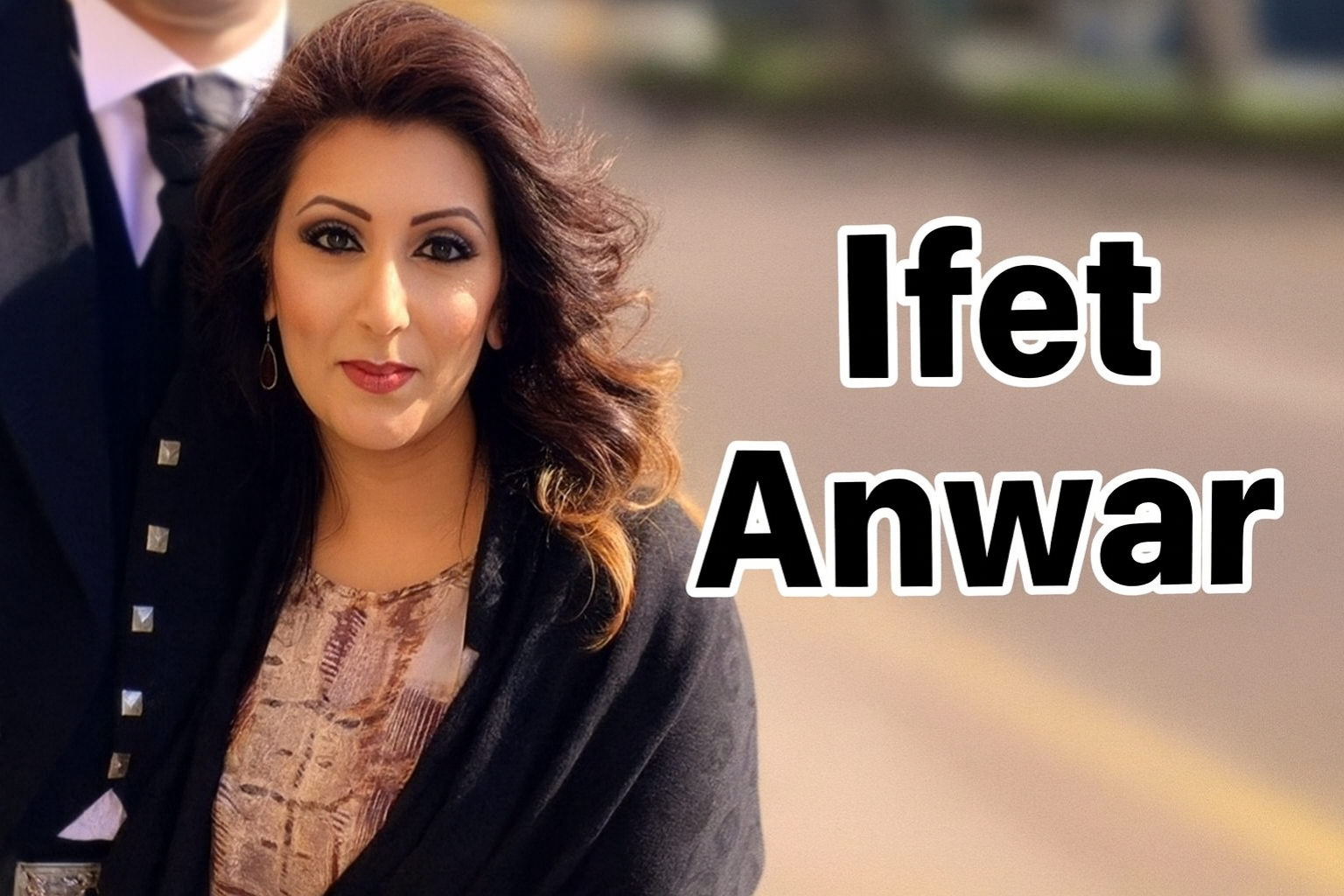
In 2016, a Berlin-born politician of Turkish descent entered the Berlin House of Representatives. Ifet Anwar, a member of the Social Democratic Party (SPD), has since become a prominent voice on migration and integration. Her work spans local district politics to state-level budget negotiations.
How Anwar’s Advocacy Shapes Berlin’s Anti-Racism Policies
Anwar has been a vocal critic of racial profiling by the Berlin police. In 2023, she supported a ban on the term “racial profiling” in police reports, arguing it legitimizes discriminatory practices. Her stance has drawn both praise from civil rights groups and criticism from law enforcement unions. As a district councilor in Berlin-Neukölln since 2011, she has pushed for equal opportunities in a diverse borough. Her role as migration policy spokesperson for the SPD parliamentary group amplifies these efforts. Public records covering this story are gathered in Ifet Anwar: The Inspiring Journey of Aamer Anwar's Wife and adept Solicitor
What Is Confirmed and What Remains Unverified About Her Career
She has been a member of the Berlin House of Representatives since 2016 and a deputy leader of SPD Berlin since 2021. However, some claims about her early political involvement remain unverified.
Key Milestones in Ifet Anwar’s Political Career
Anwar’s political journey began at the local level. She became a district councilor in Neukölln in 2011. In 2016, she was elected to the Berlin House of Representatives. By 2021, she had risen to deputy leader of the SPD Berlin. That same year, she became a board member of the Turkish-German Health Foundation. Her advocacy on refugee policy and housing has been consistent throughout. In 2023, she took a strong stand against racial profiling, marking a significant policy intervention.
| Year | Milestone |
|---|---|
| 2011 | Elected district councilor in Berlin-Neukölln |
| 2016 | Elected to Berlin House of Representatives |
| 2021 | Became deputy leader of SPD Berlin |
| 2023 | Supported ban on “racial profiling” in police reports |
Common Misunderstandings About Ifet Anwar’s Positions
Some observers mistakenly label Anwar as a radical leftist due to her anti-racism advocacy. In reality, she belongs to the Seeheimer Kreis, a centrist faction within the SPD. Another misconception is that she opposes all police actions. Anwar has clarified that she targets discriminatory practices, not law enforcement as a whole. Additionally, her Turkish heritage sometimes leads to assumptions that she prioritizes Turkish-German issues exclusively. Her work, however, covers broader migration and integration policies affecting all communities.
Frequently Asked Questions
Did Ifet Anwar face controversy over her stance on racial profiling?
Yes, her support for banning the term “racial profiling” in police reports sparked debate. Critics argued it could hinder police accountability, while supporters saw it as a step against discrimination. The controversy remains unresolved, with no formal policy change enacted as of early 2025.
Who is Ifet Anwar?
Ifet Anwar is a German politician from the SPD, serving in the Berlin House of Representatives since 2016. Born in Berlin in 1985 to Turkish parents, she studied political science and public law. She is a spokesperson for migration and integration policy and a deputy leader of SPD Berlin.
Is Ifet Anwar still active in Berlin politics?
Yes, she remains a member of the Berlin House of Representatives and continues her role as deputy leader of SPD Berlin. She is also involved in the 2024 state budget negotiations and serves on the board of the Turkish-German Health Foundation.
How does Ifet Anwar differ from other SPD politicians on migration?
Anwar is more outspoken on anti-racism and racial profiling than many colleagues. She has criticized police practices directly, while other SPD members have been more cautious. Her background as a district councilor in Neukölln gives her a local perspective on integration issues.
Why did Ifet Anwar support a ban on the term “racial profiling”?
She argued that the term itself legitimizes discriminatory police practices. By banning its use in official reports, she aimed to force a change in police behavior. The move was part of broader efforts to address systemic racism in German law enforcement.
How Anwar Balances Local and State-Level Responsibilities
Juggling roles at both district and state levels requires careful prioritization. Anwar splits her time between Neukölln constituency work and parliamentary duties in the Berlin House of Representatives. She has described this dual role as challenging but essential for understanding how policies affect real communities. Her local experience informs her state-level advocacy on housing and education.
What Her Future Political Ambitions Might Look Like
Speculation about Anwar’s next steps remains just that—speculation. Some observers suggest she could run for a federal seat in the Bundestag, though no official announcement has been made. Others point to her growing influence within the SPD Berlin as a sign she may seek higher party office. For now, she continues to focus on her current responsibilities, including the 2024 budget and anti-discrimination initiatives.




















Leave a Reply