
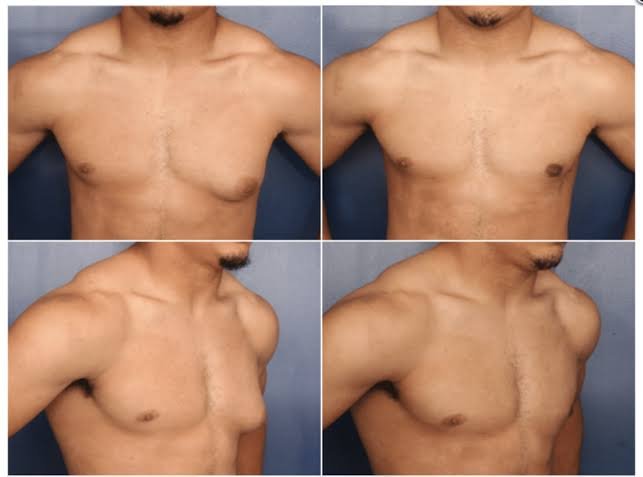
What exactly is a botched surgery? It is a medical procedure that results in unintended harm, errors, or poor outcomes due to mistakes like wrong-site operations, retained instruments, or anesthesia errors. The term gained prominence after high-profile cases, such as the 1995 wrong-leg amputation at a Florida hospital.
How Common Are Botched Surgeries Today and What Is Being Done?
Surgical errors remain rare but serious. A 2023 study found that such errors occur in about 1 in 22,000 procedures in the United States. The National Quality Forum introduced the “Never Events” list in 2003 to classify preventable errors. Hospitals now use checklists and protocols to reduce risks. However, rising reports of botched surgeries in medical tourism, especially in unregulated clinics abroad, have raised new concerns. Patients traveling for cheaper procedures may face higher complication rates. Public records covering this story are gathered in Botched Surgery Before and After – Risks and Fixes
Real-World Impact: How Botched Surgeries Affect Patients and Culture
The consequences of a botched surgery can be devastating. Patients may suffer permanent disability, chronic pain, or psychological trauma. Legal settlements often exceed $300,000 per case. The cultural impact is visible in media: shows like “Botched” highlight extreme cosmetic surgery failures, bringing public attention to the risks. Cosmetic deformities from plastic surgery errors are among the most publicized examples. These stories have increased awareness but also sometimes trivialize the serious nature of surgical mistakes.
Behind the Scenes: What Causes a Surgery to Go Wrong?
Botched surgeries stem from multiple factors. Surgeon negligence, miscommunication among the surgical team, or faulty equipment can all play a role. Common examples include nerve damage, infections, or wrong-site operations. The term is also used informally for any surgery with unsatisfactory results, even without clear negligence. In many cases, a combination of human error and system failures leads to the adverse outcome. Root cause analyses often reveal breakdowns in communication or verification processes.
Timeline of Key Moments in Botched Surgery Awareness
1995: The wrong-leg amputation at a Florida hospital became a landmark case. 2003: The National Quality Forum published the first “Never Events” list. 2010s: Media coverage surged with shows like “Botched” and increased reporting of medical tourism incidents. 2023: A study quantified surgical error rates at 1 in 22,000 procedures. These milestones have shaped how the public and medical community understand and address surgical errors.
| Year | Event |
|---|---|
| 1995 | Wrong-leg amputation in Florida |
| 2003 | “Never Events” list introduced |
| 2010s | Rise of media coverage and medical tourism incidents |
| 2023 | Study reports 1 in 22,000 procedures have errors |
Frequently Asked Questions
When did the term “botched surgery” become widely used?
The term gained prominence after the 1995 wrong-leg amputation case in Florida. Media coverage of that event brought the phrase into public discourse. It became more common in the 2000s with the “Never Events” list and later TV shows.
Is a botched surgery always due to negligence, or can it be accidental?
Not all botched surgeries involve negligence. Some result from unforeseeable complications or equipment failure. However, many cases involve preventable errors like wrong-site surgery or retained instruments. Legal definitions vary, but the term is often used broadly for any poor outcome.
Where do most botched surgeries occur?
Botched surgeries can happen anywhere, but reports are higher in unregulated clinics abroad, especially in medical tourism destinations. In the U.S., they occur in hospitals and outpatient centers. The risk is higher in facilities with poor safety protocols.
How does a botched surgery differ from a medical complication?
A botched surgery implies an error or mistake, while a complication is a known risk that can occur even with proper care. For example, an infection after surgery may be a complication, but operating on the wrong body part is a botched surgery.
How many botched surgeries occur each year?
Exact numbers are hard to determine due to underreporting. A 2023 study estimated surgical errors occur in about 1 in 22,000 procedures in the U.S. This translates to thousands of cases annually, but many go unreported or are settled privately.
Legal and Financial Consequences of a Botched Surgery
Patients who suffer from a botched surgery often pursue legal action. Medical malpractice lawsuits can result in significant compensation for damages, including medical costs, lost wages, and pain and suffering. In the United States, the average payout for surgical error claims exceeds $300,000, according to some reports. However, legal processes are lengthy and emotionally draining. Many cases are settled out of court, which can limit public awareness of specific incidents. The financial burden on healthcare systems is also substantial, with increased insurance premiums and litigation costs.
Prevention Strategies: How Patients Can Reduce Their Risk
Patients can take proactive steps to minimize the risk of a botched surgery. Researching the surgeon’s credentials and hospital accreditation is essential. Asking about infection rates and safety protocols can provide insight. The World Health Organization’s Surgical Safety Checklist has been shown to reduce complications significantly. Being an active participant in one’s own care is a powerful safeguard against errors.







Leave a Reply