
Most concertgoers expect a fixed price per seat, much like buying a plane ticket months in advance. Backtofrontshow pricing flips that expectation entirely. Instead of a single price, ticket costs rise in real time as demand increases, a system that pushed some Bruce Springsteen tickets above $5,000 during his 2023 tour.
How Ticketmaster Implements Dynamic Pricing for Major Tours
Ticketmaster is the primary platform that deploys backtofrontshow pricing for large-scale events. The company uses an algorithm that adjusts prices continuously based on purchase velocity and remaining inventory. When Springsteen’s 2023 “Back to Front” tour presale opened in late 2022, fans saw standard seats jump from around $200 to several thousand dollars within hours. The system categorizes tickets into tiers: standard, platinum, and VIP, with platinum seats subject to the most aggressive price swings. Robert Smith of The Cure publicly opposed this practice, securing refunds for fans who paid excessive fees during his 2023 tour.
The Mechanics Behind Real-Time Price Adjustments
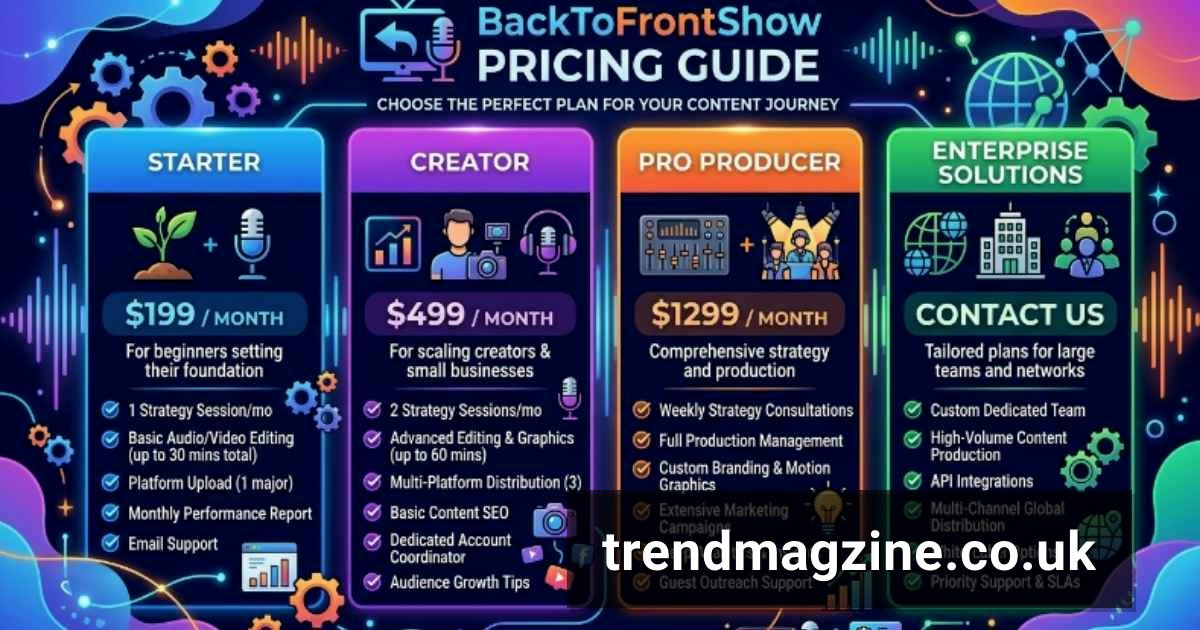
Backtofrontshow pricing operates on a supply-and-demand algorithm similar to airline or hotel booking systems. As more fans search for a specific show, the software raises prices for remaining seats. The goal is to capture maximum revenue by matching each ticket’s cost to what the market will bear at that moment. For Springsteen’s tour, the system identified high-demand dates and venues, triggering price spikes that sometimes exceeded $5,000 for floor seats. This contrasts with fixed pricing, where a $200 seat stays $200 regardless of demand. The algorithm also factors in historical sales data, competitor pricing, and even the time remaining until the event. A reference profile of the subject is maintained on Pricing – BacktoFrontShow
A Step-by-Step Walkthrough of How Dynamic Pricing Affects a Ticket Purchase
Imagine a fan logs into Ticketmaster the moment a presale begins. They see a seat listed at $150. Within five minutes, thousands of other fans are also searching, and the algorithm recalculates. The same seat now shows $250. By the time the fan reaches checkout, the price may have risen again. This real-time escalation is the core of backtofrontshow pricing. The fan must decide whether to pay the inflated price or wait, risking further increases. For Springsteen’s 2023 tour, some fans reported seeing prices double or triple within a single browsing session. The system also hides the total number of tickets available, adding urgency. Critics argue this creates a false scarcity that pressures fans into impulse purchases.
The Origin and Controversy of Dynamic Pricing in Live Events
The term “backtofrontshow pricing” gained prominence in late 2022 during the presale for Bruce Springsteen’s 2023 tour. Ticketmaster had used dynamic pricing for years under the label “platinum tickets,” but Springsteen’s tour brought widespread public attention. In early 2023, U.S. lawmakers questioned Ticketmaster’s practices, citing concerns about consumer protection and market fairness. The model’s defenders argue it prevents scalpers from reselling tickets at even higher prices on secondary markets. However, fans and artists like Robert Smith contend that it prices out average attendees, favoring wealthier buyers. The controversy led to hearings and calls for regulation, though no federal legislation has passed as of 2024.
How Artists and Fans Are Responding to Dynamic PricingSome major artists have taken a stand against backtofrontshow pricing. Robert Smith of The Cure negotiated refunds for fans who paid excessive fees during his 2023 tour, setting a precedent. Fans have also organized boycotts and social media campaigns, pressuring venues and ticketing platforms to adopt more transparent pricing models. The backlash has prompted Ticketmaster to offer more fixed-price options for certain events, though dynamic pricing remains the default for high-demand tours.What the Future Holds for Concert Ticket PricingRegulatory scrutiny continues to shape the landscape. In 2023, the U.S. Senate held hearings on Ticketmaster’s practices, and several states proposed bills requiring upfront disclosure of dynamic pricing. The European Union has also examined similar consumer protection measures. While no sweeping legislation has passed, the pressure has led to incremental changes. Some experts predict that hybrid models—combining fixed-price tiers with limited dynamic pricing—may become the norm. For now, backtofrontshow pricing remains a polarizing feature of live events, forcing fans to navigate a system that rewards speed and willingness to pay premium prices.







Leave a Reply